



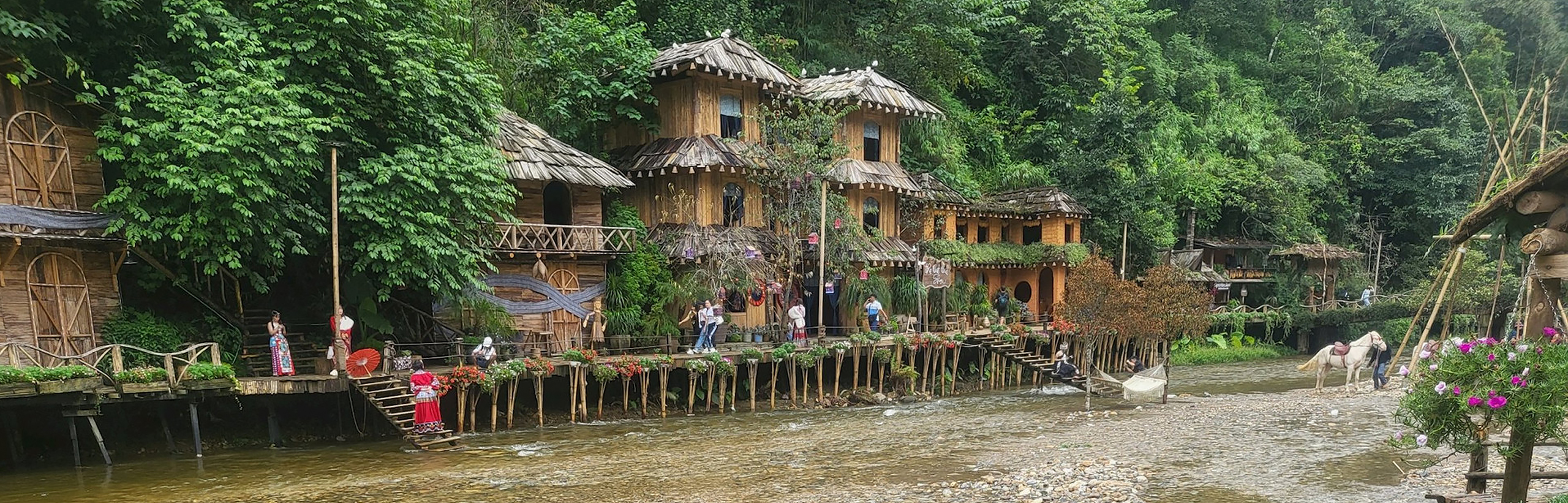
Sapa, nestled in the northern mountains of Vietnam, is a destination that captures the heart of every traveler with its stunning landscapes, vibrant ethnic culture, and adventure-filled opportunities. Located in Lào Cai province, Sapa is renowned for its mist-shrouded peaks, lush terraced rice fields, and welcoming local communities. It attracts those seeking not only natural beauty but also a glimpse into the lives of Vietnam’s ethnic minorities. Whether you’re a trekker looking to explore the rugged terrain or a traveler seeking peace and cultural immersion, Sapa offers a unique blend of adventure and tranquility.
Contents
1. Why Visit Sapa?
Sapa is the perfect getaway for those wanting to escape the chaotic pace of city life and immerse themselves in the serenity of nature. The cool mountain air, tranquil landscapes, and breathtaking views of the terraced rice fields create an atmosphere of peace and relaxation. One of the town’s main attractions is its rich ethnic diversity. Home to several ethnic minority groups such as the H’mông, Dao, and Tày peoples, Sapa provides a rare opportunity to witness and engage with traditional cultures. The town’s blend of natural beauty, rich history, and cultural experiences makes it a must-visit destination for anyone traveling through Vietnam.
2. How to Get to Sapa

Reaching Sapa from Hanoi, which is around 315 kilometers away, is relatively easy, and there are multiple travel options depending on your budget and time constraints.
-
By Train: The overnight train from Hanoi to Lào Cai is a popular option for travelers looking to enjoy a scenic journey. The train ride takes about 8-9 hours, and from Lào Cai station, it’s an additional hour by bus or taxi to reach Sapa.
-
By Bus: Sleeper buses offer a comfortable and affordable option, taking approximately 6-7 hours from Hanoi to Sapa. These buses are equipped with reclining seats and provide a relaxing ride through the picturesque landscapes of northern Vietnam.
-
By Private Car: If you prefer a more comfortable and flexible experience, hiring a private car with a driver is a great choice. This allows you to stop along the way to admire the scenery or explore small villages, and it’s a faster, more convenient option.
3. Top Attractions in Sapa
Sapa is home to a variety of must-see attractions, ranging from towering mountains to tranquil waterfalls, each offering something unique for every kind of traveler.
-
Fansipan Mountain: Known as the “Roof of Indochina,” Fansipan is the highest peak in Vietnam, standing at 3,143 meters. Adventurers can trek for 2-3 days to the summit, taking in the stunning mountain scenery. Alternatively, the Fansipan cable car provides an easy way to experience panoramic views of the Hoàng Liên Son mountain range, making it a perfect choice for those who want to experience the peak without the strenuous trek.

-
Sapa Terraced Rice Fields: One of the most iconic sights in Sapa is its vast terraced rice fields, which create a stunning landscape that is often compared to some of the most beautiful in the world. The fields, especially those in Mường Hoa Valley, Tả Van, and Lao Chải, provide unforgettable panoramic views. The best time to visit is between September and November when the fields turn golden during the harvest season.

-
Cat Cat Village: Located just 2 kilometers from Sapa town, Cat Cat Village is a traditional H’mông village where you can experience local life, witness traditional weaving techniques, and shop for handmade souvenirs. It’s a great place to get a firsthand look at the customs and crafts of the local people.

-
Silver Waterfall (Thác Bạc): About 15 kilometers from Sapa, the Silver Waterfall is a magnificent cascade that looks especially stunning during the rainy season when the water flows in full force.

-
Love Waterfall (Thác Tình Yêu): A romantic and scenic waterfall located near Silver Waterfall, surrounded by lush greenery. It’s a perfect spot for nature lovers and couples looking for a quiet and picturesque escape.

4. Cultural Experiences
Sapa is a cultural gem, home to several ethnic minority groups. To immerse yourself in the local culture, consider visiting some of the region’s traditional villages and participating in local customs.
-
Visit Traditional Villages: The villages of Y Linh Hồ, Tả Phìn, and Bản Phửng are excellent places to experience the local way of life. Each village offers unique insights into the traditions, rituals, and daily life of the H’mông, Dao, and Tày people.

-
Stay in a Local Homestay: For a truly authentic experience, consider staying with a local family in a homestay. This offers a deeper connection with the culture and provides a chance to learn about traditional practices and customs.

-
Explore the Sapa Market: The Sapa Market is a vibrant hub where you can find handicrafts, textiles, traditional foods, and more. It’s a great place to pick up souvenirs and interact with local vendors while experiencing the lively atmosphere of the town.

5. Outdoor Activities in Sapa
Sapa is a paradise for outdoor enthusiasts, offering a wide range of activities that allow you to explore the area’s natural beauty.
-
Trekking: Sapa is known for its scenic trekking routes. Popular trails include the Lao Chải – Tả Van trek, which passes through ethnic villages and terraced fields, and the challenging trek to Fansipan. For those seeking a less strenuous trek, the Hoàng Liên National Park offers beautiful hiking routes.

-
Mountain Biking: For those who prefer cycling, mountain biking is an exciting way to explore Sapa’s hills and valleys. You can ride through remote villages, lush forests, and fields, enjoying both the challenge and the stunning scenery.

-
Motorbike Tours: Rent a motorbike and explore Sapa at your own pace. Motorbike tours allow you to venture off the beaten path and visit hidden gems around the area, such as quiet villages and serene lakes.

-
Camping: For a truly unique experience, consider camping in the mountains. Spending a night under the stars, surrounded by nature, is a magical way to connect with the landscape and experience the outdoors in its purest form.

6. Where to Stay in Sapa
Sapa offers a variety of accommodation options, from luxury resorts to budget-friendly homestays, ensuring that there’s something for everyone.
-
Luxury: For a lavish stay, consider the Silk Path Grand Resort & Spa or Hotel de la Coupole – MGallery. These resorts offer upscale amenities, stunning views, and a high level of comfort.
-
Mid-Range: Aira Boutique Sapa Hotel & Spa and Sapa Horizon Hotel offer comfortable stays at a more affordable price point. Both hotels offer excellent service, great amenities, and beautiful views of the surrounding mountains.
-
Budget: There are plenty of budget-friendly options, including local guesthouses and hostels. These are great choices for backpackers or travelers who want to save on accommodation while still enjoying the beauty of the region.
-
Homestays: Staying with a local family is a fantastic way to experience the culture up close. Homestays in villages like Tả Van provide authentic experiences, offering meals, local knowledge, and the opportunity to connect with the community.
7. Best Time to Visit Sapa

Each season in Sapa offers something different, making it a year-round destination. However, the best time to visit depends on what you want to experience.
-
September to November: This is arguably the best time to visit, especially for photography, as the terraced rice fields turn a vibrant golden color during the harvest season.
-
March to May: The weather is pleasant, and the region comes alive with blooming flowers, making it a great time for outdoor activities and trekking.
-
December to February: This period is cold and foggy, with occasional snowfall in the higher elevations, creating a winter wonderland effect. It’s perfect for those who want to experience the chilly, misty side of Sapa.
-
June to August: The rainy season brings lush greenery, but it also means the weather can be unpredictable with frequent showers. However, the rice fields are a vivid green during this time, creating a striking landscape.
8. What to Eat in Sapa
Sapa’s cuisine is as diverse as its culture, with dishes that reflect the region’s ethnic heritage and highland agriculture. Be sure to try some of these local specialties:
-
Thắng Cố: A traditional H’mông dish made from horse meat and offal, usually served in a rich, aromatic broth. It’s a must-try for adventurous foodies.

-
Grilled Meats and Vegetables: These are commonly sold at night markets, where you can enjoy skewers of pork, chicken, and vegetables grilled over an open flame.

-
Salmon Hotpot: Sapa’s cold waters are home to farmed salmon, and this unique hotpot dish showcases the fresh local fish.

-
Sticky Rice in Bamboo (Cơm Lam): A delicious snack often served with grilled pork, it’s a simple but flavorful dish that’s perfect for a quick bite while trekking.

9. Essential Travel Tips
-
Pack Appropriately: The weather in Sapa can be unpredictable, so pack for all conditions. Bring warm layers, rain gear, and comfortable footwear for trekking.
-
Respect Local Customs: When visiting ethnic villages, always ask for permission before taking photos of the locals. It’s also important to dress modestly, especially in rural areas.
-
Book Transportation in Advance: During peak seasons, buses and trains to Sapa can get fully booked quickly, so it’s best to make your reservations ahead of time.
-
Use Local Guides: Hiring a local guide for trekking not only helps you navigate the trails but also provides invaluable cultural insights that will enrich your experience.
10. Shopping in Sapa
Sapa’s markets and shops offer a wide variety of handmade goods and local specialties:
-
Handwoven Textiles: The H’mông and Dao people are known for their intricate handwoven textiles, including colorful scarves, bags, and clothing.
-
Herbal Medicine and Essential Oils: Local markets are full of herbal remedies and essential oils, which are used for health and wellness.
-
Smoked buffalo meat: It refers to a traditional dish of smoked and dried buffalo meat, typically prepared by hanging it over a wood stove or in a smokehouse to preserve it and enhance its flavor.
-
Sapa-Grown Tea and Coffee: Bring home some tea or coffee grown in the region’s highlands, where the cool climate creates perfect conditions for these beverages.
Final Thoughts
Sapa is a destination that offers an unforgettable combination of breathtaking natural beauty, rich cultural experiences, and adventurous activities. Whether you’re hiking to the peak of Fansipan, exploring the charming ethnic villages, or simply soaking in the serene landscape, Sapa will leave you with memories that will last a lifetime. Take the time to plan your trip, immerse yourself in local traditions, and prepare for an adventure in one of Vietnam’s most magical destinations.
Ready to Explore Sapa? Contact Phúc An Tours Now!
If you’re planning a trip to Sapa and want to explore its rich history, unique architecture, and vibrant cultural experiences, let us help you create an unforgettable journey.
PHÚC AN TOURS team is always ready to assist you with all your travel needs, from domestic tours to international trips, as well as legal procedures for entry and exit.
Call us now for personalized travel consultation!